
Credit to Advanced Clinical Education for the resources below.
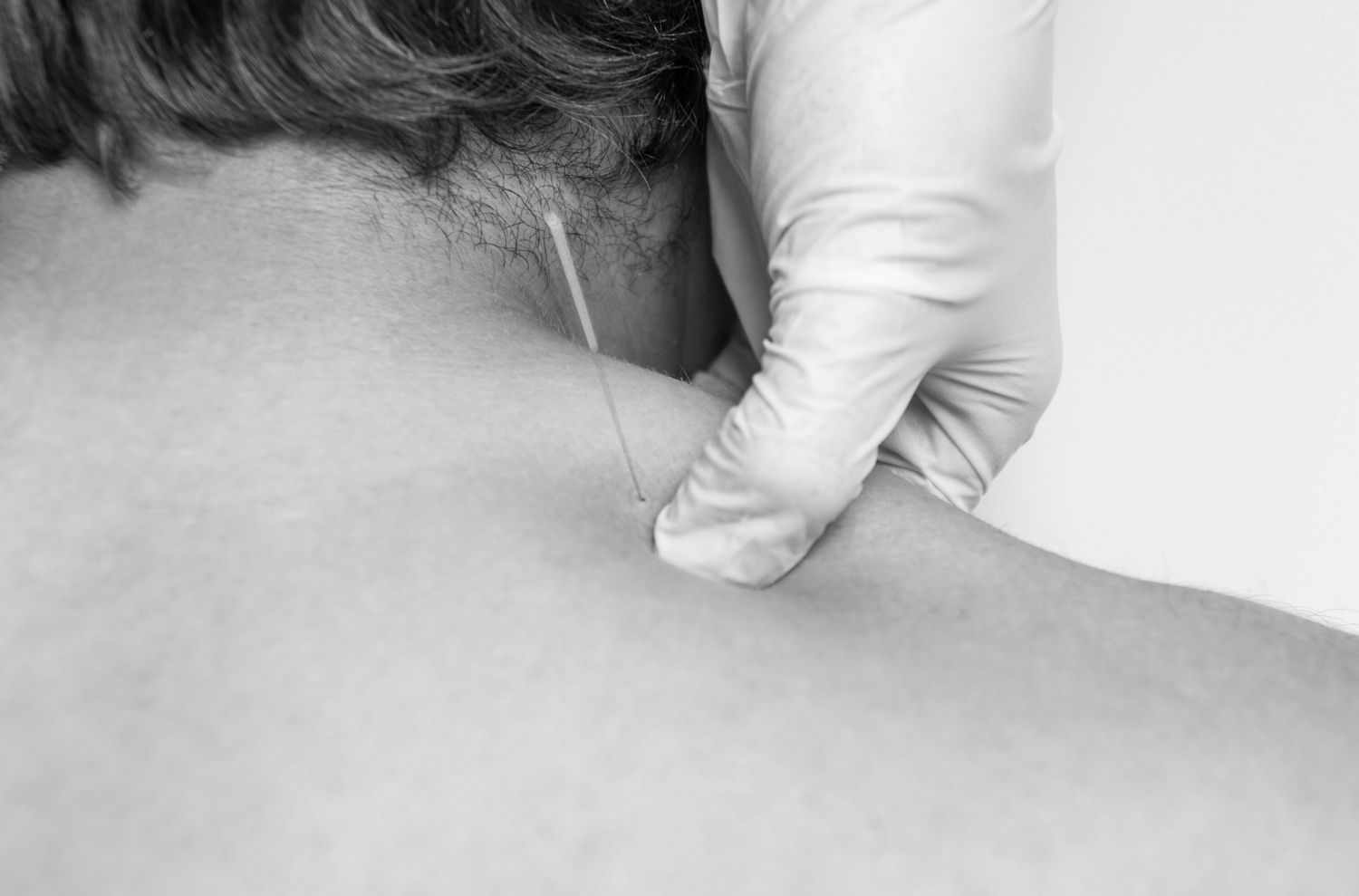
Reintroducing loading: After a dry needling session, which can cause some soreness or inflammation, gradually increasing the load on the treated area helps to re-establish normal tissue function and prevent further complications.
Improved blood flow: Movement and exercise promote cardiovascular and lymphatic circulation, which helps clear out waste products, deliver oxygen and nutrients to the area, and stimulate the release of endorphins for pain relief.
Pain modulation: Increased blood flow and endorphin release contribute to pain modulation, helping to reduce pain and discomfort associated with scar tissue and trigger points.
Muscle strength and range of motion: Reintroducing loading can also help improve muscle strength and range of motion in the treated area, which is crucial for overall function and recovery.
Scar tissue breakdown: While dry needling can help break down scar tissue, gentle loading and movement are also important for the body’s natural healing process and to prevent adhesions from reforming.
Individualized approach:The specific exercises and activities that are appropriate for increasing the load after dry needling will vary depending on the individual, the location of the treatment, and the specific condition being treated. It’s essential to work with a qualified professional to determine the best approach for your needs.


Understanding the difference between Dr Needling and acupuncture:
https://open.spotify.com/episode/55z7CCRWujYYLezEXwTorB?si=WHS1Y7s1QUCXbm7vVczXxQ
Reference: